Global Oil Price Impact 2026: Why Oil Prices Are Rising and What It Means for the World
Global oil prices have seen significant fluctuations in 2026 as geopolitical tensions, supply concerns, and economic uncertainty affect energy markets. Conflicts in the Middle East, especially involving major oil transit routes, have intensified worries about supply disruptions. This article explains why oil prices are rising in 2026, how it impacts global economies, and what consumers and governments can expect in the coming months.
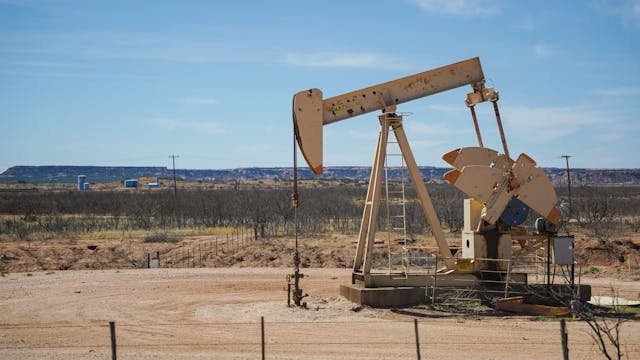
Global oil markets react to geopolitical tensions and supply concerns as prices fluctuate during 2026.
Key Takeaways
- Global oil prices have experienced volatility throughout 2026.
- Geopolitical tensions in the Middle East are a major factor.
- Shipping disruptions near the Strait of Hormuz affect supply.
- Higher oil prices influence inflation and transportation costs.
- Governments and energy agencies are monitoring market stability.
Overview of Global Oil Prices in 2026
The global oil market in 2026 has been marked by volatility and rapid price changes. Oil prices initially surged due to geopolitical tensions and fears of supply disruption in key production regions.
Energy analysts say the oil market remains sensitive to political developments, particularly those affecting the Middle East, which is responsible for a large share of the world's oil production and exports.
Why Oil Prices Are Rising
Several factors have contributed to rising oil prices in 2026. The most significant influence has been geopolitical conflict and uncertainty in oil-producing regions.
- Military tensions in the Middle East
- Threats to shipping routes like the Strait of Hormuz
- Production cuts by major oil-exporting nations
- Rising global energy demand
Even minor disruptions in oil supply chains can quickly affect global prices because energy markets are tightly interconnected.
Impact on Global Economies
Rising oil prices have a direct impact on global economies. Higher energy costs increase the price of transportation, manufacturing, and electricity production.
Many countries rely heavily on imported oil, which means price increases can lead to inflation, trade deficits, and pressure on national currencies.
Developing economies often feel the impact more strongly because fuel costs represent a larger share of daily expenses.
Impact on Transport and Aviation
Transportation and aviation sectors are among the most sensitive to oil price changes. Airlines, shipping companies, and logistics providers must adjust operations when fuel costs rise sharply.
Higher oil prices can lead to increased ticket prices, higher freight charges, and rising delivery costs for goods around the world.
These effects eventually reach consumers through higher prices for travel and everyday products.
Energy Security and Strategic Reserves
Governments around the world are closely monitoring the oil market and considering measures to protect energy security.
Some countries maintain strategic petroleum reserves that can be used during supply emergencies. Releasing oil from these reserves can help stabilize markets temporarily.
Long-term strategies also include expanding renewable energy sources to reduce dependence on imported fossil fuels.
Global Oil Market Outlook
Experts believe oil prices will remain sensitive to geopolitical developments throughout 2026. Any escalation in conflicts affecting energy infrastructure or shipping routes could push prices higher.
However, diplomatic solutions, increased production, or stabilization in global markets could bring prices back down.
The coming months will be crucial for determining whether oil markets remain volatile or return to more stable conditions.
FAQs
Why are global oil prices rising in 2026?
Oil prices are rising mainly due to geopolitical tensions, supply concerns, and increased global energy demand.
How do oil price increases affect everyday life?
Higher oil prices increase transportation costs, which can raise the price of goods, airline tickets, and fuel for consumers.
What role does the Strait of Hormuz play in oil markets?
The Strait of Hormuz is one of the world's most important oil shipping routes, and disruptions there can significantly affect global oil supply and prices.
Can governments control oil price increases?
Governments can release strategic oil reserves and adjust energy policies, but global oil prices are largely influenced by international supply and demand.