India Heatwave Alert 2026: IMD Warning, Affected States, Health Risks & Safety Guidelines
India is witnessing an early and intense heatwave in 2026, with several regions experiencing soaring temperatures. The India Meteorological Department (IMD) has issued warnings for multiple states as temperatures cross seasonal averages. This article explains the latest heatwave alerts, which states are most affected, health risks, and important safety precautions.
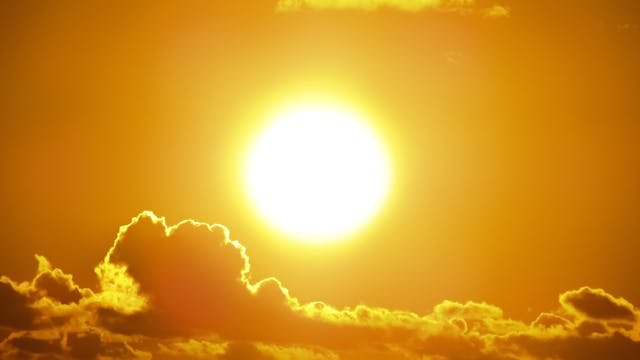
Several Indian states experience extreme temperatures as authorities issue heatwave alerts and public safety advisories.
Key Takeaways
- IMD has issued heatwave alerts for several parts of India in 2026.
- Temperatures in some regions are exceeding 40°C earlier than usual.
- North, central, and western India are among the most affected areas.
- Heatwaves can pose serious health risks including heatstroke.
- Authorities advise hydration, shade, and reduced outdoor exposure.
What Is a Heatwave?
A heatwave is a prolonged period of unusually high temperatures that significantly exceed the normal climate conditions of a region. In India, the India Meteorological Department (IMD) declares a heatwave when maximum temperatures rise well above the seasonal average for several consecutive days.
Heatwaves are most common during the pre-monsoon summer months from March to June. However, in recent years, changing climate patterns have caused heatwaves to occur earlier and become more intense.
India Heatwave Situation in 2026
In 2026, India is experiencing an early surge in temperatures across multiple states. Meteorological data indicates that temperatures in several cities have crossed 40°C much earlier than the typical summer peak.
The IMD has issued heatwave advisories urging residents to take precautions. Authorities are particularly concerned about vulnerable populations such as the elderly, outdoor workers, and children.
Climate experts note that increasing urbanization and global climate change are contributing factors behind the rising frequency and intensity of heatwaves in India.
States Most Affected by the Heatwave
Several regions across northern, central, and western India are facing unusually high temperatures during this heatwave period.
- Rajasthan
- Gujarat
- Madhya Pradesh
- Uttar Pradesh
- Maharashtra
- Delhi NCR region
Some cities in these states have recorded temperatures above 40°C, raising concerns about dehydration, power demand, and pressure on healthcare services.
Health Risks of Extreme Heat
Heatwaves can have serious health impacts if people are exposed to high temperatures for prolonged periods. Without proper precautions, extreme heat can lead to dehydration, exhaustion, or heatstroke.
- Heat exhaustion
- Heatstroke
- Severe dehydration
- Fatigue and dizziness
- Worsening of heart or respiratory conditions
Medical professionals advise immediate attention if symptoms such as confusion, fainting, or high fever occur during extreme heat exposure.
Heatwave Safety Tips for the Public
Public health authorities recommend several precautions to stay safe during heatwave conditions.
- Drink plenty of water throughout the day.
- Avoid direct sunlight between 12 PM and 4 PM.
- Wear light-colored, loose-fitting clothing.
- Use hats, umbrellas, or sunglasses when outdoors.
- Check regularly on elderly family members and children.
- Never leave children or pets inside parked vehicles.
Staying cool and hydrated is the most effective way to reduce the risk of heat-related illnesses.
Government Preparedness and Response
The Indian government and state authorities have activated heat action plans in many cities. These plans include public awareness campaigns, water supply arrangements, and emergency medical readiness.
Local administrations are also coordinating with hospitals, disaster management agencies, and weather monitoring departments to minimize the impact of extreme heat events.
Authorities encourage citizens to follow official weather updates and advisories issued by the India Meteorological Department.
FAQs
Why is India experiencing a heatwave in 2026?
Early seasonal warming combined with climate change and dry weather conditions has contributed to higher-than-normal temperatures across several regions of India.
Which states are most affected by the heatwave?
Rajasthan, Gujarat, Madhya Pradesh, Uttar Pradesh, Maharashtra, and parts of the Delhi NCR region are among the areas facing the highest temperatures.
What temperature qualifies as a heatwave in India?
According to IMD guidelines, a heatwave is declared when temperatures exceed 40°C in plains and are significantly higher than the normal seasonal average.
How can people stay safe during extreme heat?
Staying hydrated, avoiding outdoor exposure during peak heat hours, wearing light clothing, and monitoring weather advisories can help prevent heat-related illnesses.